
10 Essential Tempered Glass and Phone Case Tips You Must Know for Ultimate Smartphone Protection
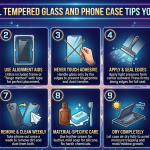
Tempered glass and phone cases are no longer just optional accessories; they are essential investments for protecting your smartphone from irreversible damage, unsightly scratches, and accidental drops. As modern smartphones become increasingly sophisticated and expensive, they are also built with fragile materials that require robust safeguarding.
Tempered glass and a durable phone case are two of the most critical components for defending your mobile device against the hazards of everyday wear and tear. Choosing the right combination of these smartphone accessories not only prevents costly, out-of-pocket repairs but also helps maintain your phone’s pristine appearance, maximum functionality, and overall resale value when it is time to upgrade.
In this comprehensive, SEO-optimized guide, you will discover the 10 essential tips to choose the best tempered glass and phone case for maximum protection. We will also explore expert advice, advanced material technologies, common mistakes to avoid, and maintenance tips to help you safeguard your digital lifeline.
Why Smartphone Protection Matters More Than Ever
Smartphones today are engineering marvels built with premium materials like aerospace-grade aluminum, titanium frames, and edge-to-edge glass display panels. While these materials make modern flagship devices look incredibly stylish and feel luxurious in the hand, they also make them highly susceptible to impact damage.
A single, minor drop onto a hard surface like asphalt or concrete can completely shatter a delicate OLED display. Replacing a modern smartphone screen can easily cost anywhere from $200 to over $400, depending on the model. Furthermore, internal components—such as sophisticated camera lenses, optical image stabilization modules, and biometric sensors—can easily break upon impact. Investing in a high-quality screen protector and a robust protective case is the simplest, most cost-effective insurance policy you can buy.
1. Always Choose 9H Tempered Glass
The hardness level of a screen protector dictates its ability to resist abrasive scratches from everyday items. When shopping for tempered glass, a 9H hardness rating is the absolute industry standard. This rating refers to the pencil hardness scale, meaning the screen protector can resist scratches from the hardest standard pencil available.
Resistant to daily hazards: 9H glass effectively protects your original screen from sharp objects commonly found in your pockets or bags, such as house keys, coins, and pens.
Maintains screen clarity: Premium 9H glass prevents the accumulation of micro-scratches that cause screens to look cloudy and dull over time.
Long-lasting protection: It absorbs the kinetic energy of a direct impact, shattering itself so your actual phone screen remains completely intact.
2. Pick the Right Thickness for Touch Sensitivity
The thickness of your tempered glass directly affects both the physical protection of the device and your everyday usability. While thicker glass might seem inherently better, it can sometimes interfere with modern technology like under-display ultrasonic fingerprint scanners.
0.3mm (The Industry Standard): This is the ideal thickness for daily use. It offers the perfect balance between robust drop durability, excellent scratch resistance, and flawless touch response.
0.5mm (Heavy Duty): Provides extra impact protection for people working in rugged environments, but it is noticeably thicker and might interfere with certain phone cases or biometric sensors.
Ultra-thin (0.15mm – 0.2mm): Feels virtually invisible and offers perfect fingerprint scanner compatibility, but sacrifices a significant amount of shatter resistance.
3. Go for Full Coverage Protection (Edge-to-Edge)
Standard, cheaper tempered glass often leaves a noticeable gap around the edges of the display. Full coverage tempered glass (often marketed as 2.5D, 3D, or 5D glass) protects the entire display area, including the delicately curved edges found on many modern flagship smartphones.
This edge-to-edge protection is vital because the corners and exposed edges of a glass screen are its weakest structural points. When selecting full coverage glass, ensure the packaging explicitly states it is “case-friendly.” This ensures your phone case doesn’t push against the edges of the glass, which can cause the protector to lift and form annoying air bubbles.
4. Choose the Right Type of Phone Case Material
There is no single “best” phone case; your choice should directly reflect your lifestyle, profession, and personal aesthetic preferences. Understanding the different materials is key:
TPU (Thermoplastic Polyurethane) and Silicone cases: These are flexible, lightweight, and highly shock-absorbing. They provide excellent grip to prevent accidental slips.
Hard Polycarbonate (PC) cases: Extremely durable against punctures and deep scratches, though they can sometimes lack the necessary “bounce” needed for high-impact drops.
Rugged and Hybrid cases: Built for maximum military-grade protection. These combine a hard outer PC shell with a soft inner TPU lining to effectively disperse kinetic energy.
Clear cases: Perfect for showcasing your phone’s original color and sleek design. When buying clear cases, always look for “anti-yellowing” UV-resistant technology.
Leather and Wallet cases: Provide sophisticated style and 360-degree protection by covering the screen when closed, while offering convenient storage for IDs and credit cards.
5. Prioritize Shock Absorption and Corner Protection
The vast majority of smartphone screens shatter not from direct face-down impacts, but from landing directly on their corners. A high-quality protective case must feature specialized shock-absorbing technologies.
Look for cases that advertise “air cushion technology,” reinforced bumpers, or materials like D3O in the corners. These act like tiny airbags for your device. Additionally, a crucial feature to look for is a raised bezel—a slightly elevated lip around the front screen and the rear camera bump. This ensures that if your phone falls completely flat, the fragile glass lenses never actually make contact with the ground.
6. Ensure Perfect Compatibility and Precision Fit
Always choose tempered glass and phone cases specifically manufactured and precisely laser-cut for your exact device model. A case designed for the previous year’s model will not correctly fit the newer version, even if the screen sizes appear identical to the naked eye.
Perfect compatibility ensures proper camera alignment, unhindered microphone functionality, easy access to charging ports, and crisp, tactile button response. Mismatched accessories can muffle your audio during phone calls or prevent charging cables from clicking in securely.
7. Look for Advanced Anti-Fingerprint (Oleophobic) Coating
Your fingers naturally produce oils and sweat, which can quickly turn a beautiful, high-definition screen into a blurry, smudged mess. A premium tempered glass screen protector includes an oleophobic coating.
This specialized chemical layer actively repels human oils, making it incredibly easy to wipe away fingerprints and smudges with a simple swipe of a microfiber cloth. Not only does this keep your screen looking crystal clear, but it also provides a buttery-smooth, frictionless surface that mobile gamers and fast typists absolutely love.
8. Check for Wireless Charging and MagSafe Support
If you regularly use Qi wireless charging pads or magnetic accessories (such as Apple’s MagSafe ecosystem or Qi2 standard chargers), your case must be fully compatible.
Excessively thick rugged cases (usually over 4mm thick), wallet cases packed with credit cards, or cases made with heavy metal components will completely block the electromagnetic induction required for wireless charging. Look for cases explicitly labeled as “Wireless Charging Compatible” or those featuring built-in magnetic alignment rings that enhance, rather than hinder, the charging connection.
9. Avoid Cheap, Counterfeit, and Fake Accessories
The smartphone accessory market is flooded with knock-off products that promise premium features but deliver absolutely nothing. Extremely cheap “tempered glass” is often just standard, brittle glass or even thin plastic disguised as glass. These shatter instantly upon impact and can produce dangerous, sharp shards.
Furthermore, cheap screen protectors use low-grade adhesives that can permanently damage your phone’s original oleophobic coating or leave a sticky, impossible-to-remove residue when you try to replace them. Always choose reputable, highly reviewed brands to guarantee authentic protection.
10. Install Properly for Flawless, Bubble-Free Results
Even the absolute best, most expensive tempered glass will fail to protect your phone if it is installed incorrectly. Dust trapped underneath creates permanent air bubbles that weaken the structural integrity of the glass. Follow these steps for a flawless installation:
Prepare a dust-free environment: Install the glass in a clean room (running a hot shower to create a slightly steamy bathroom is a famous trick to pull floating dust out of the air).
Clean the screen thoroughly: Use the provided alcohol prep wipe to dissolve grease, followed immediately by the microfiber cloth to dry the screen completely.
Use dust removal stickers: Vigorously dab the included sticky tape across the entire display to pick up microscopic lint. Do not skip this step.
Align carefully before applying: If your protector comes with a plastic auto-alignment frame, use it. Otherwise, align the glass perfectly with the top speaker grill and front-facing camera.
Press gently to remove air bubbles: Drop the glass gently onto the screen. Press the exact center of the display and watch the silicone adhesive smoothly spread outward, pushing out air bubbles naturally.
Best Combination for Maximum Protection
For optimal, comprehensive results that will safeguard your device in almost any scenario, we highly recommend combining the following:
Front Display: 9H hardness tempered glass (0.3mm thickness, full edge-to-edge coverage, equipped with an oleophobic coating).
Device Body: A shockproof TPU hybrid case featuring air-cushioned corners, tactile button covers, and raised bezels protecting the front display and rear camera array.
Common Mistakes to Avoid When Buying Accessories
Choosing incompatible accessories: Buying a case that is too tight and forces your screen protector to peel up at the corners.
Ignoring product quality for price: Saving $10 on a cheap, off-brand case could ultimately cost you hundreds in screen replacement fees.
Using overly thick cases unnecessarily: Heavy-duty cases are great for construction workers, but they can cause a phone to overheat during intensive gaming or fast charging.
Not replacing damaged tempered glass: Once a screen protector cracks, its structural integrity is entirely compromised. It must be replaced immediately to protect against the next drop.
Maintenance and Care Tips
Clean regularly: Wipe your screen and case daily with a clean, dry microfiber cloth.
Avoid harsh chemicals: Never use window cleaners, bleach, or harsh ammonia on your screen protector, as these chemicals will immediately strip away the anti-fingerprint oleophobic coating.
Remove trapped dirt: Take your phone out of its case once a month to wipe away trapped dust and grit that can cause micro-scratches on your phone’s aluminum or titanium frame.
Avoid extreme temperatures: Prolonged exposure to intense heat (like leaving your phone on a car dashboard) can warp TPU cases and degrade the adhesive on your screen protector.
Frequently Asked Questions (FAQ)
1. Is tempered glass really better than plastic screen protectors?
Yes, unequivocally. Tempered glass provides vastly superior impact protection, feels exactly like your original glass screen, and strongly resists deep scratches. Plastic (PET or TPU) protectors only prevent minor cosmetic scratching and offer virtually zero shatter protection during a hard drop.
2. Does a phone case actually prevent internal device damage?
Yes. Modern smartphones house delicate internal components, such as logic boards and camera stabilizers. A high-quality shockproof case absorbs and disperses the kinetic energy of a fall, preventing that destructive shockwave from traveling through the delicate internal hardware.
3. How often should I logically replace my tempered glass?
You should replace it immediately if it cracks, chips at the edges, or accumulates deep scratches. Additionally, consider replacing it every 8 to 12 months if you notice the oleophobic coating has worn off, making it difficult to keep the screen clean and negatively affecting your touch sensitivity.
4. Can I use a full-coverage tempered glass and a rugged case together?
Absolutely, but you must ensure the tempered glass is explicitly labeled as “case-friendly.” If the glass is too wide, the thick lip of a rugged case will push against the edges, causing the glass to lift, bubble, and eventually peel off completely.
5. Are expensive, name-brand accessories actually worth the premium price?
In most scenarios, yes. Higher-quality products undergo rigorous drop-testing (such as MIL-STD-810G military standards), use premium non-yellowing materials, feature stronger scratch resistance, and utilize high-quality silicone adhesives that will not ruin your original screen upon removal.
Conclusion
Using the right combination of tempered glass and a highly rated phone case is absolute essential maintenance for anyone looking to protect their smartphone from everyday damage. By understanding modern material types, prioritizing drop-test ratings, and following these 10 essential tips, you can ensure your device stays physically safe, fully functional, and visually looking brand new for years to come.
Investing in high-quality smartphone protection today takes just a few moments of your time and a very small fraction of your phone’s total cost. In return, it will save you from incredibly expensive repair bills, eliminate the anxiety of accidental drops, and give you absolute peace of mind in your daily digital life.
